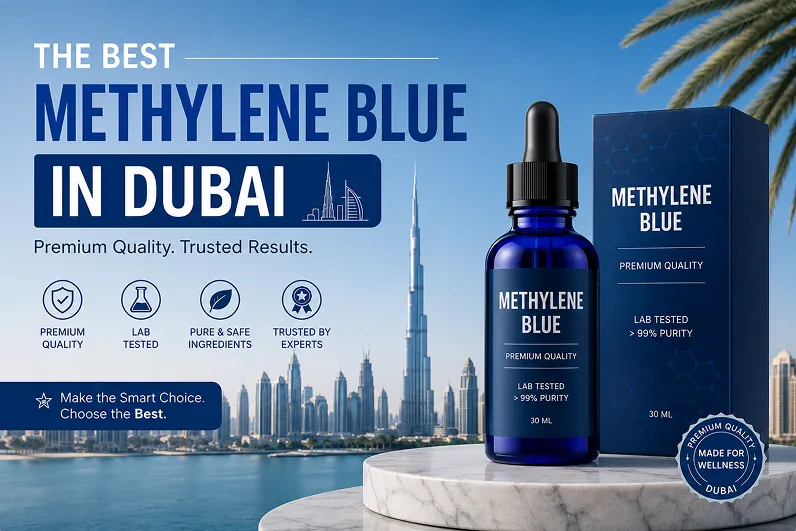
Many people across Dubai now ask about methylene blue and NAD+ therapy in the same breath. Both promise more energy, sharper focus, and better cellular health. However, the two work in very different ways. This guide breaks down what each therapy does, how they compare, and which one may fit your goals better.
What Is Methylene Blue?
Methylene blue is a synthetic compound with a long history in medicine. Doctors first used it as an antimalarial treatment more than a century ago. Today, low-dose methylene blue is compounded for a different purpose: supporting mitochondrial function and cognitive performance. It acts as an alternative electron carrier in the electron transport chain, the process cells use to produce energy. As a result, methylene blue can help move electrons more efficiently and may reduce oxidative stress at the same time.
Because methylene blue crosses the blood-brain barrier easily, it reaches brain tissue directly. This is one reason it draws interest for focus and mental clarity, alongside its established medical uses. You can learn more about compounded methylene blue and how it’s prepared on our Methylene Blue.
What Is NAD+ Therapy?
NAD+, or nicotinamide adenine dinucleotide, is a coenzyme found in every cell in the body. It plays a central role in energy metabolism, DNA repair, and cellular signaling. Unfortunately, NAD+ levels decline steadily with age, and this drop is linked to fatigue, slower recovery, and reduced mental sharpness.
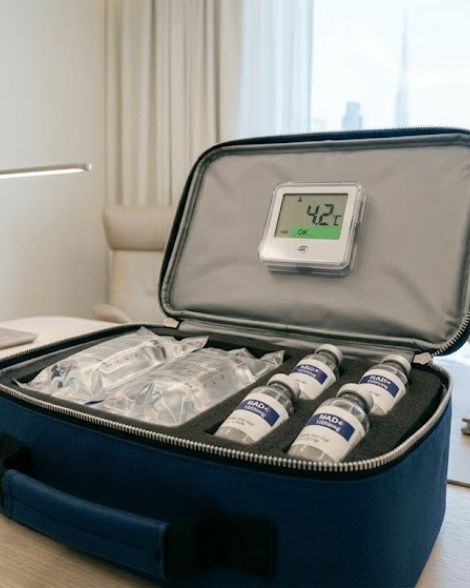
NAD+ therapy replenishes these levels directly through IV infusion, which bypasses the poor absorption that oral NAD+ precursors face. Since NAD+ is a natural coenzyme rather than a synthetic compound, it also has a longer track record of human clinical research behind it. Explore CureCell’s NAD+ IV protocols on our NAD+ IV page.
How They Work: The Key Difference
The clearest way to separate these two therapies is by mechanism.
- Methylene blue acts as an electron carrier. It steps directly into the electron transport chain and helps mitochondria produce ATP more efficiently. Many users notice effects within hours.
- NAD+ acts as a coenzyme. It fuels dozens of cellular processes, including the Krebs cycle, but its benefits tend to build gradually over several sessions.
In short, methylene blue works faster and more directly on mitochondrial output. NAD+, on the other hand, works more broadly and rebuilds a foundational resource that cells depend on for long-term repair.
Benefits: Methylene Blue vs. NAD+
Methylene Blue Benefits
- More efficient mitochondrial energy production
- Antioxidant activity that helps reduce oxidative stress
- Support for focus and mental clarity
- Neuroprotective properties, still under ongoing research
NAD+ Therapy Benefits
- Restored cellular energy metabolism
- Support for DNA repair and healthy aging
- Improved recovery and reduced fatigue
- Broader, longer-term support for cellular health
Can You Combine Methylene Blue and NAD+?
Yes, and many longevity-focused patients choose to use both rather than picking one over the other. Since the two work through separate pathways, methylene blue and NAD+ don’t compete for the same cellular targets. Combining them may even create a compounded effect: NAD+ restores the coenzyme, while methylene blue helps mitochondria use it more efficiently.
That said, combination protocols should always be built with an experienced compounding pharmacist and a prescribing physician. Dosing, timing, and individual health history all shape whether stacking makes sense for a given patient.
Safety Considerations
Both therapies require medical oversight. Methylene blue carries a known interaction risk with SSRIs, SNRIs, and other serotonergic medications, and it isn’t appropriate for patients with G6PD deficiency. Mild side effects can include gastrointestinal discomfort, headache, or temporary blue-tinted urine.
NAD+ therapy is generally well tolerated, though some patients report mild flushing, fatigue, or nausea during infusion, especially at higher doses. Neither therapy is intended to diagnose, treat, cure, or prevent any disease, so a qualified prescriber should always review medical history before starting either one.
Which One Should You Choose?
- For a fast, direct boost to mitochondrial energy and mental clarity, methylene blue may be the better starting point.
- For long-term cellular repair, healthy aging, and recovery, NAD+ therapy offers more established research support.
- For goals that cover both, a supervised combination protocol may be worth discussing with a provider.
CureCell compounds both methylene blue and NAD+ formulations to pharmacy-grade standards. Therefore, whichever path a patient chooses, quality and dosing accuracy stay consistent throughout treatment.
Frequently Asked Questions
Is methylene blue safer than NAD+ therapy?
Neither therapy is inherently safer than the other, since each carries its own risk profile. Methylene blue interacts with certain antidepressants, while NAD+ is generally well tolerated but can cause mild infusion-related side effects. A physician should assess medical history before starting either therapy.
Can I take methylene blue and NAD+ on the same day?
Some protocols do combine them on the same day under medical supervision. Even so, timing and dosing should always be set by a prescribing physician rather than self-directed.
Which therapy works faster?
Methylene blue tends to produce noticeable effects within hours, since it acts directly on mitochondrial electron transport. NAD+ therapy usually requires multiple sessions before benefits become apparent.
Where can I get compounded methylene blue or NAD+ in Dubai?
CureCell is a nationally accredited compounding pharmacy in the UAE, offering pharmacy-grade methylene blue and NAD+ formulations. Contact us to discuss your options with our team.