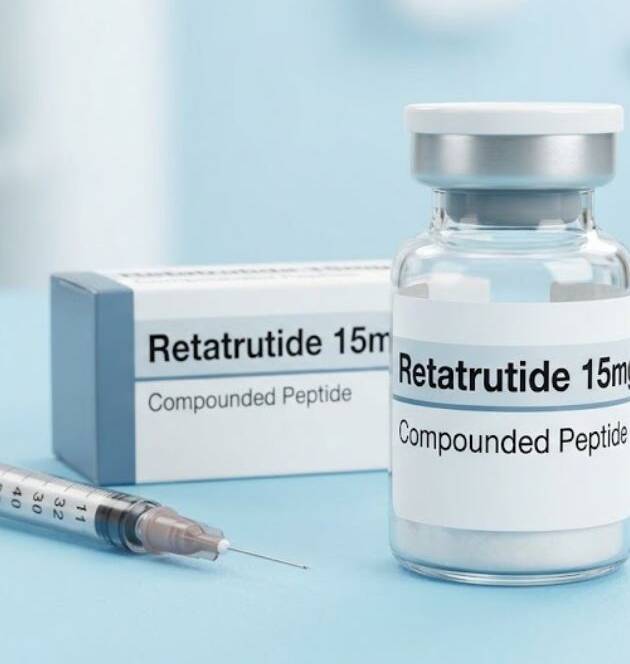
Bacteriostatic water and sterile water may look the same, but they serve different purposes. Both are used to dilute or reconstitute medications, and their packaging is often very similar. Anyone reconstituting peptides, hormones, or other compounded medications at home should understand the difference before drawing up a dose.
People who reconstitute peptides, hormones, or other injectable medications should understand the difference before preparing a dose. Knowing when to use bacteriostatic water and when sterile water is the better choice helps ensure safe and proper medication handling.
This guide explains the key differences between bacteriostatic water and sterile water, when each should be used, and why making the right choice is important.
What Is Sterile Water?
Sterile water is purified water that has been sterilized to remove bacteria and other microorganisms. It contains no preservatives or added ingredients. Once a vial is opened, it should be used right away because it is intended for single use. Any remaining water should be discarded after use.
Sterile water is typically used for:
- Single-dose reconstitution where the entire vial will be used right away
- Diluting medications that are sensitive to preservatives
- Situations where a doctor or pharmacist specifically indicates preservative-free water is required, such as certain HRT formulations
Because it contains nothing to inhibit bacterial growth once opened, sterile water is not designed to be stored and reused across multiple sessions.
What Is Bacteriostatic Water?
Bacteriostatic water is sterile water that contains a small amount of benzyl alcohol. This preservative helps prevent the growth of bacteria after the vial has been opened. Because of this, the same vial can usually be used for multiple doses when stored and handled correctly.
Bacteriostatic water is commonly used to reconstitute medications that require repeated injections. It is a convenient choice for multi-dose use and helps reduce the need to open a new vial for every injection.
Bacteriostatic water is the more common choice for:
- Reconstituting peptides or medications that require multiple doses drawn from the same vial
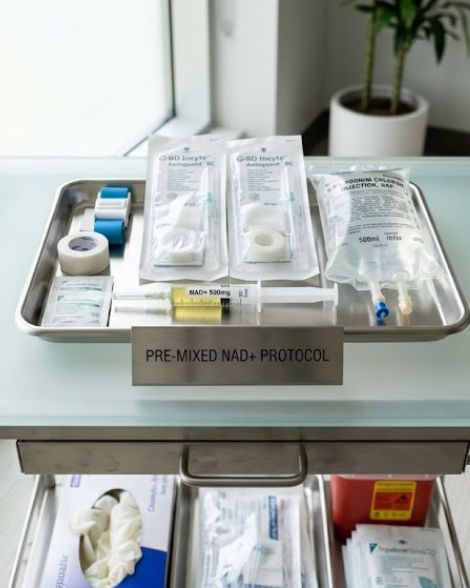
- Extending the usability of a compound over several days or weeks, including NAD+ IV protocols and fat loss compounds
- Situations where repeated access to the same vial is necessary
Because of the benzyl alcohol content, bacteriostatic water is generally not recommended for use with newborns or in certain sensitive populations, another reason the choice of water isn’t arbitrary and should follow product-specific guidance.
Bacteriostatic Water vs. Sterile Water: Key Differences
Bacteriostatic Water | Sterile Water | |
|---|---|---|
Contains preservative | Yes (benzyl alcohol ~0.9%) | No |
Reusable after opening | Yes, typically for several weeks | No, single-use only |
Best suited for | Multi-dose reconstitution | Single-dose reconstitution |
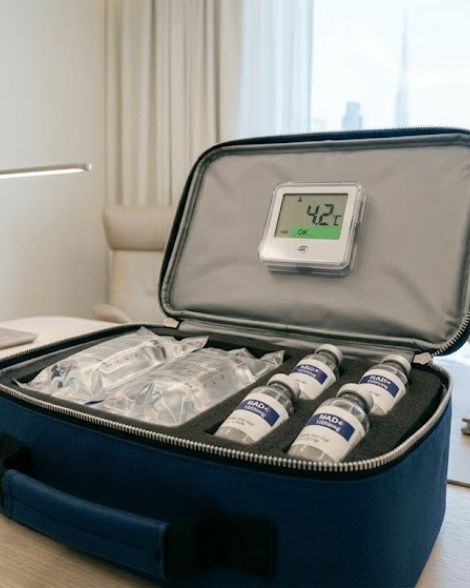
Storage after opening | Refrigerated, within recommended timeframe | Should be used immediately, then discarded |
Suitability for sensitive populations | Not advised for certain groups due to benzyl alcohol | Preferred when a preservative-free option is needed |
Which One Should You Use for Peptide Reconstitution?
For most peptide reconstitution, bacteriostatic water is the standard choice. Since many peptides are reconstituted once and then drawn from over multiple doses across several days or weeks, the antimicrobial preservative in bacteriostatic water helps maintain the sterility of the vial between uses.
Sterile water becomes more relevant when a compound is intended to be used entirely in one sitting, or when a prescriber has specifically indicated that a preservative-free solution is required for example, due to sensitivity to benzyl alcohol.
The right choice ultimately depends on:
- The specific compound being reconstituted
- Whether it will be used in a single dose or multiple doses over time
- Any guidance provided by your prescribing doctor or pharmacist
Choosing the right type of water is an important part of preparing medications safely. When there is any uncertainty about which option to use, consult your pharmacist or healthcare provider before mixing the medication. Using the correct diluent helps maintain its safety, stability, and effectiveness. Contact CureCell if you’d like guidance specific to your reconstitution needs.
Why the Distinction Matters
Bacteriostatic water contains benzyl alcohol, which helps slow the growth of bacteria after the vial has been opened. However, it should only be used when a preservative-containing solution is appropriate. Some medications require preservative-free sterile water instead. Using the correct type of water helps ensure your medication is prepared safely and according to the manufacturer’s instructions.
Sourcing the Right Water from a Trusted Pharmacy
Both bacteriostatic and sterile water should come from a licensed compounding pharmacy that follows proper sterile compounding and storage standards. Quality and handling matter just as much as choosing the correct type, since improperly stored or handled water regardless of type can compromise sterility. For a closer look at storage guidelines and safe handling, see our guide on bacteriostatic water uses and benefits.
Frequently Asked Questions
Can I use sterile water instead of bacteriostatic water?
In some cases, yes but only if the vial will be used entirely in a single session, since sterile water doesn’t contain a preservative to keep it safe for repeated use.
Can I use bacteriostatic water instead of sterile water?
Not always. If a preservative-free solution is specifically required for certain sensitive populations or specific compounds bacteriostatic water may not be appropriate due to its benzyl alcohol content.
How long does bacteriostatic water stay usable after opening?
It’s generally considered usable for several weeks after opening when stored correctly, though this can vary depending on the specific product and manufacturer guidance. Browse the shop for currently available options.
Is one type better than the other?
Neither is inherently better they’re designed for different purposes. The right choice depends on how the reconstituted solution will be used and any specific guidance for that particular compound.