Living with thinning hair, aging skin, slow wound healing, or poor tissue recovery can affect both your confidence and quality of life. That’s why GHK-Cu peptide has become one of the most talked-about regenerative therapies in aesthetic and wellness medicine. This naturally occurring copper-binding peptide supports skin rejuvenation, collagen production, tissue repair, and hair restoration, making it a popular choice for people seeking non-surgical anti-aging solutions. In CureCell Dubai, we combine advanced regenerative medicine with personalized treatment plans to help patients achieve healthier skin, stronger hair, and improved recovery using scientifically backed peptide therapies.
What Is GHK-Cu Peptide?
GHK-Cu peptide, also known as Copper peptide GHK-Cu, is a naturally occurring tripeptide made from three amino acids bound to a copper ion. It was first discovered in human plasma and has since been found in saliva and urine.
Researchers have studied this peptide for decades because of its remarkable ability to:
- Support tissue regeneration
- Stimulate collagen and elastin production
- Promote wound healing
- Reduce inflammation
- Improve hair follicle health
- Encourage healthier-looking skin
As we age, natural levels of GHK-Cu decline. Peptide therapy helps replenish these levels, allowing the body to repair and regenerate more efficiently.
Why Has It Become So Popular in Regenerative Skincare?
Unlike synthetic actives that force a reaction, GHK-Cu works with biological signaling pathways the body already recognizes. That’s a meaningful distinction for anyone hesitant about harsh treatments. Instead of stripping or resurfacing skin aggressively, it nudges the body toward its own restorative processes a big reason both practitioners and patients have gravitated toward it.
How Does GHK-Cu Actually Work in the Body?
To understand the appeal, it helps to look at what happens on a cellular level. GHK-Cu binds to copper and interacts with several biological pathways connected to:
- Collagen and elastin synthesis – supporting the structural proteins responsible for skin firmness
- Antioxidant activity – helping neutralize oxidative stress that accelerates visible aging
- Anti-inflammatory signaling – calming irritation that can slow healing
- Blood vessel formation (angiogenesis) – supporting nutrient delivery to healing tissue
- Stem cell activation – encouraging the migration of skin cells involved in repair
Because of these overlapping functions, researchers have studied the peptide not just for cosmetic purposes but for wound healing, post-surgical recovery, and hair follicle stimulation.
Is GHK-Cu the Same as Other Copper Peptides on the Market?
Not exactly. While copper peptides broadly reference several compounds, GHK-Cu is the specific, most-researched variant with an established safety and efficacy profile in scientific literature. When you see a GHK-Cu peptide supplement or topical product marketed with vague “copper peptide” branding, it’s worth checking whether GHK-Cu is explicitly listed as the active ingredient not just implied.
What Are the Real Benefits of GHK-Cu?
Let’s separate marketing noise from what research and clinical observation actually support.
Does GHK-Cu Improve Skin Texture and Firmness?
This is where most of the interest originates. Because the peptide supports collagen remodeling, many users report smoother texture, improved elasticity, and a reduction in fine lines over consistent use. Clinics offering GHK-Cu peptide injection before and after documentation often highlight visible improvements in skin tone and firmness within a few weeks, though individual results vary based on skin condition, age, and protocol consistency.
Can It Help With Hair Thinning?
Emerging research suggests GHK-Cu may stimulate hair follicles and extend the growth phase of the hair cycle. It’s one reason the peptide has found its way into scalp treatments alongside traditional options, particularly for those exploring non-surgical approaches to thinning hair.
Does It Support Wound Healing and Recovery?
Yes – this is arguably where the strongest scientific backing exists. Copper peptide GHK-Cu has been studied extensively for its role in accelerating tissue repair, making it relevant not just cosmetically but in recovery-focused medical settings too.
What About Anti-Aging Claims?
Antioxidant support combined with collagen stimulation makes GHK-Cu a logical fit within anti-aging protocols. That said, it should be viewed as a supportive tool within a broader skincare or wellness routine not a singular miracle fix. Anyone promising overnight transformation isn’t giving you the full picture.
What Does a Typical GHK-Cu Dosage Look Like?
This is one of the most searched aspects of peptide therapy, and for good reason dosing protocols vary significantly depending on the delivery method.
How Is GHK-Cu Typically Administered?
There are generally three approaches:
- Topical application – creams and serums applying the peptide directly to skin
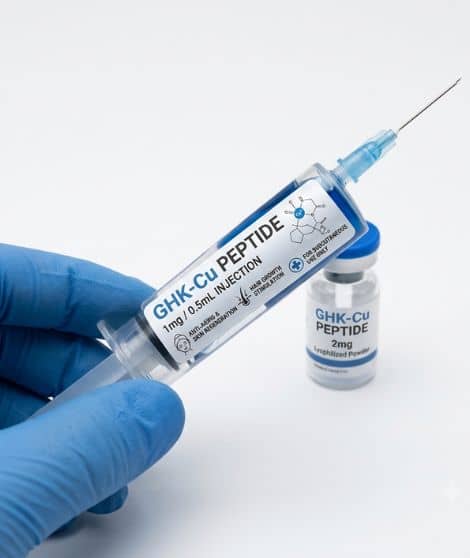
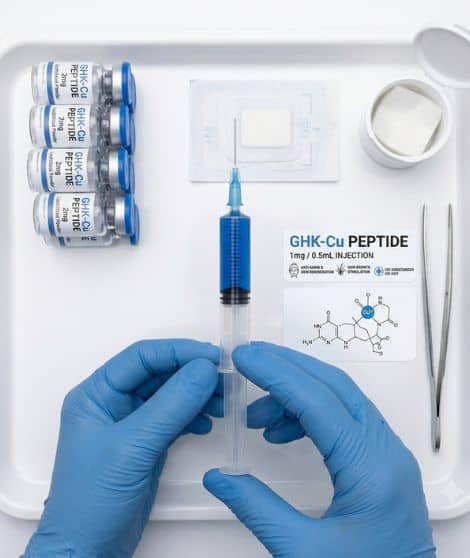
- Subcutaneous injection – used in clinical settings under professional supervision
- Microneedling-assisted delivery – combining the peptide with skin needling for deeper absorption
What Does a GHK-Cu Peptide Injection Dosage Chart Usually Show?
While exact protocols must always be determined by a licensed practitioner based on individual assessment, general clinical literature on injectable copper peptide often references low-microgram to milligram-range dosing, administered in cycles rather than continuously. Providers typically start conservatively and adjust based on tolerance and observed response.
If you’re comparing a ghk-cu dosage across different sources online, treat any numbers you find as a starting reference point for discussion with a qualified provider never as a self-administration guide. Peptide therapy, when done correctly, is a supervised medical process, not a DIY project.
How Long Before Results Are Noticeable?
Most clinical observations suggest visible changes emerge somewhere between four to twelve weeks, depending on the treatment goal skin texture improvements tend to show sooner than deeper structural changes like firmness or scarring support.
Are There Side Effects to Be Aware Of?
Transparency matters here, and any credible resource should address this honestly.
What Are the Most Common Side Effects?
Reported side effects tend to be mild and localized, including:
- Temporary redness or irritation at injection or application sites
- Mild itching
- Rare allergic sensitivity in individuals with copper sensitivities
Who Should Avoid GHK-Cu?
Individuals with known copper metabolism disorders, pregnant or breastfeeding women, and those with active skin infections should consult a physician before starting any peptide protocol. This is precisely why sourcing treatment through a licensed clinic rather than unregulated online sellers matters so much.
Is GHK-Cu Safe for Long-Term Use?
Existing safety data is reassuring for supervised, cyclical use, but long-term continuous administration without professional oversight isn’t something any reputable clinic would recommend. As with most regenerative therapies, periodic breaks and monitoring are part of a responsible protocol.
What Do Before-and-After Results Typically Show?
Documented GHK-Cu peptide injection before and after cases commonly reveal improvements in:
- Skin brightness and even tone
- Reduced appearance of fine lines
- Improved firmness and elasticity
- Faster recovery in post-procedure skin (often paired with treatments like microneedling or laser therapy)
It’s worth noting that outcomes are highly individual. Someone in their late twenties addressing early prevention will see different results than someone in their fifties targeting deeper structural aging — which is exactly why a personalized consultation matters more than generic before-and-after photos ever could.
How Much Does GHK-Cu Peptide Therapy Cost in Dubai?
Cost is naturally one of the biggest deciding factors, and pricing varies based on formulation, delivery method, and clinic reputation.
What Influences GHK-Cu Peptide Dubai Price?
Several factors shape pricing across the city:
- Product source and purity – pharmaceutical-grade peptides cost more than lower-grade alternatives
- Delivery method – injectable protocols typically cost more than topical products
- Session frequency – single sessions versus multi-week packages
- Clinic expertise – established, licensed providers with proven safety records often price differently than budget clinics
Is Peptide Therapy in Dubai Expensive Compared to Other Regions?
Generally, peptide therapy Dubai cost sits competitively within the broader Gulf and international wellness market, particularly given the city’s reputation for regulated, high-standard medical aesthetics. Many international patients specifically travel to Dubai for treatments precisely because of this balance between quality assurance and value.
Why Choose a Licensed Clinic Over Self-Sourced Peptides?
This point deserves emphasis. The rise in searches for GHK-Cu has unfortunately also fueled a market of unregulated sellers offering unverified peptide vials online. Buying from unlicensed sources carries real risks contamination, incorrect dosing, and zero medical oversight among them.
Choosing a reputable, licensed provider ensures:
- Verified pharmaceutical-grade sourcing
- Individualized dosage planning based on your health profile
- Ongoing monitoring throughout treatment
- Access to combination therapies that maximize results safely
Curecell’s team works directly with patients across Dubai to build peptide protocols grounded in clinical assessment rather than guesswork — because informed, supervised treatment is what actually delivers safe, lasting results.
Frequently Asked Questions
Is GHK-Cu FDA-approved?
GHK-Cu is widely used in cosmetic formulations and studied extensively in scientific literature, though regulatory status varies by country and use case (cosmetic versus injectable). Always confirm product sourcing and regulatory compliance with your provider.
Can GHK-Cu be combined with other treatments?
Yes – many providers combine it with microneedling, mesotherapy, or other peptide protocols to enhance absorption and results, provided the combination is planned by a qualified practitioner.
How often should GHK-Cu treatments be repeated?
This depends entirely on the treatment goal and formulation. Some protocols run weekly for several weeks, followed by maintenance sessions spaced further apart. A licensed provider will tailor frequency to your specific response.
Does GHK-Cu work for all skin types?
Most skin types tolerate GHK-Cu well, though a patch test or professional skin assessment is always recommended before starting, particularly for sensitive or reactive skin.
Where can I access professional GHK-Cu peptide therapy in Dubai?
Curecell offers consultations to assess whether GHK-Cu peptide therapy fits your skin or wellness goals, backed by licensed medical oversight from start to finish.
Final Thoughts
GHK-Cu represents one of the more scientifically grounded options within the peptide therapy space — not a trend built on empty promises, but a compound with decades of research behind its role in tissue repair and skin renewal. Still, results depend heavily on sourcing, dosage precision, and professional guidance. Before starting any protocol, a conversation with a licensed provider will always serve you better than a dosage chart found online.
If you’re exploring ghk cu peptide treatments in Dubai and want a protocol built around your actual skin and health profile, book a consultation with Curecell to get personalized, medically supervised guidance from the start.