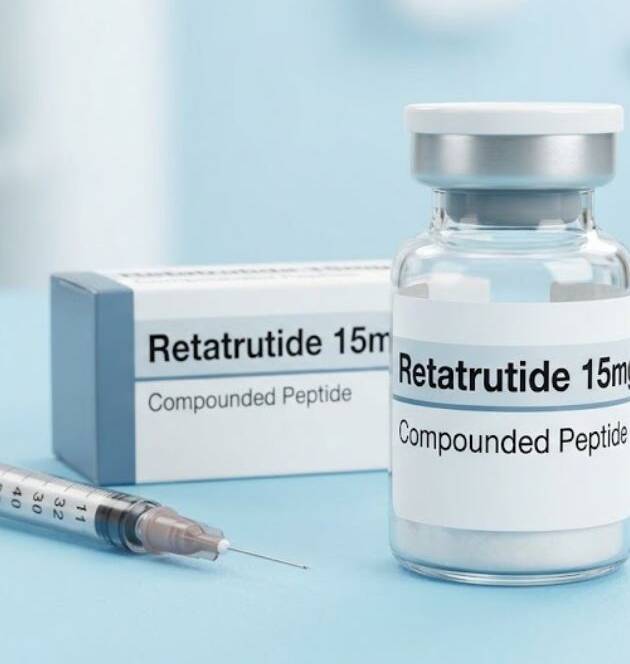
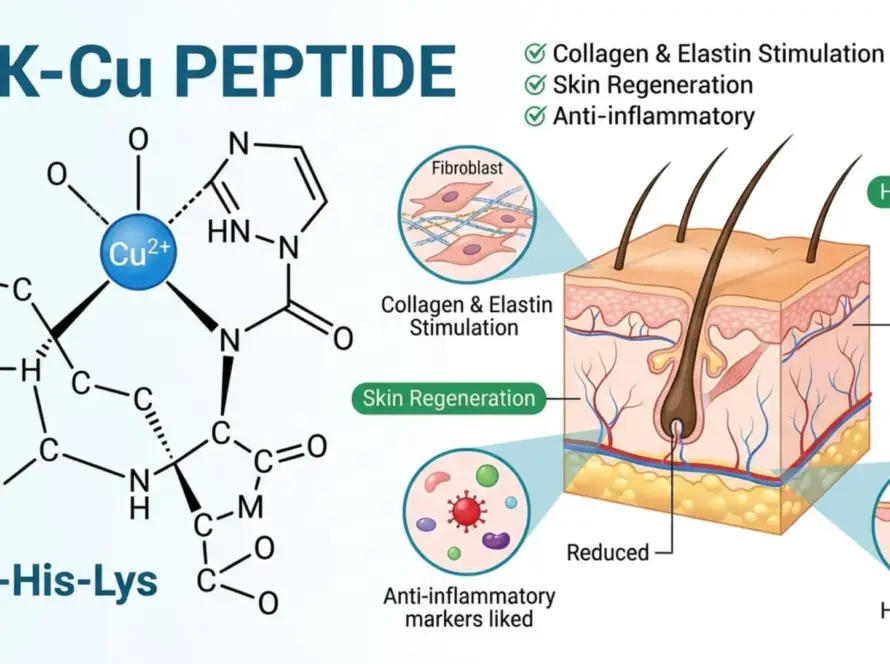
An injury that will not fully heal can slow down every part of life, from workouts to work itself. Athletes, patients recovering from surgery, and people with stubborn gut issues keep circling back to one peptide in their research: BPC-157.
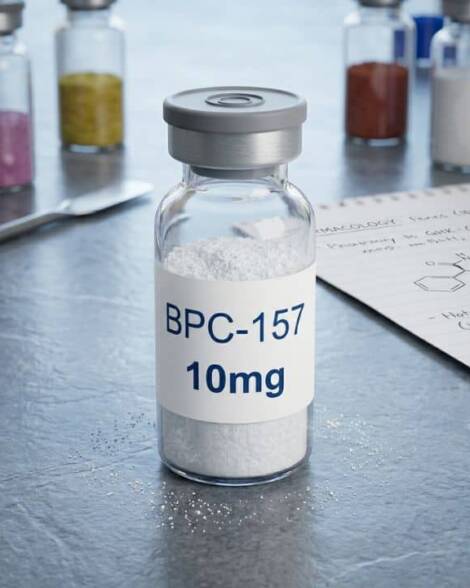
This guide breaks down what BPC-157 does in the body, the recovery benefits researchers have identified, and what the current science actually shows. If you are ready to move forward, CureCell compounds pharmaceutical-grade BPC-157 10mg under prescription in a licensed sterile lab.
What Is BPC-157?
BPC-157 stands for Body Protection Compound 157. It is a peptide chain of 15 amino acids, derived from a protective protein naturally found in human gastric juice.
Researchers first isolated it while studying how the stomach lining protects and repairs itself. That origin explains why so much of the early research focused on gut healing before expanding into tendons, muscles, nerves, and bone.
Because of this natural origin, scientists describe BPC-157 as a “stable gastric pentadecapeptide.” In plain terms, it survives digestion and remains active long enough to influence healing processes elsewhere in the body.
How BPC-157 Works in the Body
BPC-157 does not work through a single pathway. Instead, it appears to influence several biological processes that all support tissue repair.
- Angiogenesis – BPC-157 may encourage the formation of new blood vessels. Better blood flow means damaged tissue gets more oxygen and nutrients, which can speed up recovery.
- Fibroblast activity – The peptide appears to stimulate fibroblasts, the cells responsible for producing collagen. Collagen is the building block of tendons, ligaments, and skin.
- Growth factor signaling – Some research points to BPC-157 influencing growth hormone receptor expression, which plays a role in tissue regeneration.
- Nitric oxide regulation – Because BPC-157 interacts with the nitric oxide system, it may help regulate blood vessel function and reduce inflammatory signaling.
Together, these mechanisms explain why BPC-157 keeps showing up in recovery-focused research across so many tissue types.
Key Benefits of BPC-157
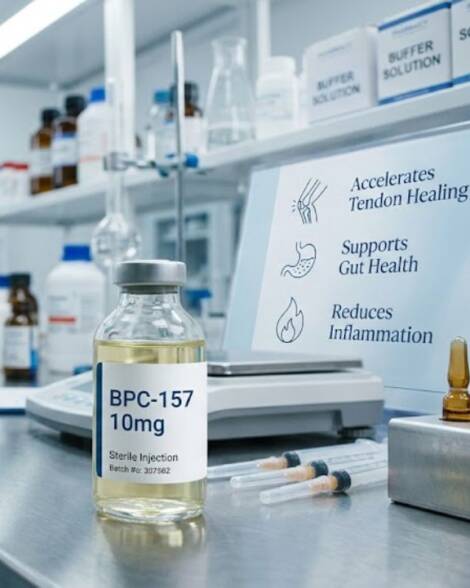
Preclinical and early research has linked BPC-157 to a wide range of potential healing benefits. Here is what the science has explored so far.
1. Tendon and Ligament Healing
Tendon injuries are notoriously slow to heal because tendons have limited blood supply. Studies on Achilles tendon and ligament injuries suggest BPC-157 may help restore tissue faster by supporting collagen organization and vascular repair.
2. Muscle Recovery
Researchers have studied BPC-157 for its potential role in speeding up muscle repair after strain or trauma. Some findings suggest it may reduce the time muscles need to regain strength and function.
3. Gut and Digestive Healing
This is where BPC-157 research began. Studies indicate it may help protect and repair the stomach lining, support healing in inflammatory bowel conditions, and reduce ulcer formation in preclinical models.
4. Joint and Cartilage Support
Chronic joint pain often comes down to slow cartilage turnover. Early research suggests BPC-157 may support cartilage health and reduce joint inflammation, which is why it draws interest from people managing long-term joint issues.
5. Bone Healing
Some studies have examined BPC-157 in bone fracture models, with findings suggesting it may support the bone healing timeline alongside standard treatment.
6. Nerve Repair
Nerve tissue heals slowly and unpredictably. Preclinical research suggests BPC-157 may support nerve regeneration and help protect nerve cells from further damage after injury.
7. Skin and Wound Healing
Because BPC-157 promotes both blood vessel formation and collagen production, researchers have also studied its role in general wound healing and skin repair.
Who Typically Looks Into BPC-157?
- People recovering from a tendon, ligament, or muscle injury that has not responded well to standard treatment
- Athletes managing overuse injuries or trying to shorten recovery windows
- Individuals with chronic joint pain or inflammation
- People dealing with persistent gut issues, including ulcers or IBD-related symptoms
- Anyone recovering from surgery who wants additional support for tissue repair
BPC-157 is not a first-line treatment, and it should only be considered as part of a plan supervised by a licensed healthcare provider.
What Does the Current Research Say?
Most BPC-157 research to date comes from animal and laboratory studies rather than large-scale human clinical trials. Scientists have investigated it for over 30 years across models involving tendons, the gut, nerves, muscles, and bone.
The results are consistent enough that BPC-157 remains a genuine area of interest in regenerative medicine. At the same time, human clinical data is still limited, so BPC-157 is generally used under a prescription for compounded, research-oriented, or off-label purposes rather than as an FDA-approved therapy.
This is exactly why working with a licensed prescriber and a properly regulated compounding pharmacy matters. It ensures the peptide is handled, dosed, and monitored appropriately.
Why Sourcing BPC-157 Safely Matters
Peptides sold without a prescription or sterility testing carry real risks. Buyers often have no way to confirm purity, concentration, or contamination levels.
A licensed compounding pharmacy solves this problem. CureCell prepares BPC-157 10mg to order, under a valid prescription, in a certified sterile laboratory, with pharmacist oversight at every step.
Each vial includes:
- 10mg sterile lyophilized BPC-157 powder
- Pharmaceutical-grade ingredients
- Full compounding documentation
- Cold-chain, temperature-controlled shipping
- Pharmacist support for reconstitution guidance
Learn more about the compounded option here: BPC-157 10mg by CureCell.
Frequently Asked Questions
Is BPC-157 safe?
When compounded under sterile, pharmacist-supervised conditions and used under a licensed provider’s guidance, BPC-157 follows the same safety standards as other prescribed compounded medications. Anyone considering it should speak with a healthcare provider first.
How is BPC-157 typically administered?
BPC-157 is most commonly prepared as an injectable solution reconstituted from lyophilized powder. Your prescribing provider will determine the appropriate method and dosage for your situation.
How long does it take to see results?
Timelines vary based on the injury, dosage, and individual response, and this should be discussed directly with your prescribing provider rather than estimated generally.
Do I need a prescription for BPC-157?
Yes. Licensed compounding pharmacies, including CureCell, require a valid prescription from a healthcare provider before compounding and dispensing BPC-157.
Can BPC-157 be combined with other peptides?
Some providers prescribe BPC-157 alongside other recovery-focused peptides. Whether combination therapy is appropriate depends on your specific health history, so this decision should be made with your prescriber.
Ready to Start Your Recovery Journey?
BPC-157 continues to draw attention from researchers and clinicians for its potential role in tendon, gut, joint, and nerve recovery. If your provider has recommended it, sourcing it from a licensed compounding pharmacy is the safest way to move forward.
CureCell compounds BPC-157 10mg fresh, under prescription, in a certified sterile lab, with cold-chain shipping straight to your door. Order BPC-157 10mg from CureCell today, or explore our full range of compounded peptides.